Did You Know? Over 70% of adults report experiencing stress that affects their physical or mental health, while 1 in 3 adults don't get enough sleep, according to the CDC.
This modern epidemic of stress and sleep deprivation is driving millions to seek natural solutions that work with their body's systems rather than against them.
Reishi mushroom (Ganoderma lucidum) is a medicinal fungus that has been used for over 2,000 years to promote relaxation, improve sleep quality, and support overall health.
Known as the "Mushroom of Immortality" in Traditional Chinese Medicine, Reishi contains bioactive compounds including triterpenes and beta-glucans that interact with multiple body systems to reduce stress and enhance well-being.
Why Reishi is Different: Unlike synthetic sleep aids or anti-anxiety medications, Reishi works as an adaptogen—helping your body maintain balance and respond better to stressors.
In this comprehensive guide, you'll learn exactly how Reishi works at the molecular level, what the scientific evidence shows about its benefits, and how to use it effectively for your health goals.
What is Reishi Mushroom?
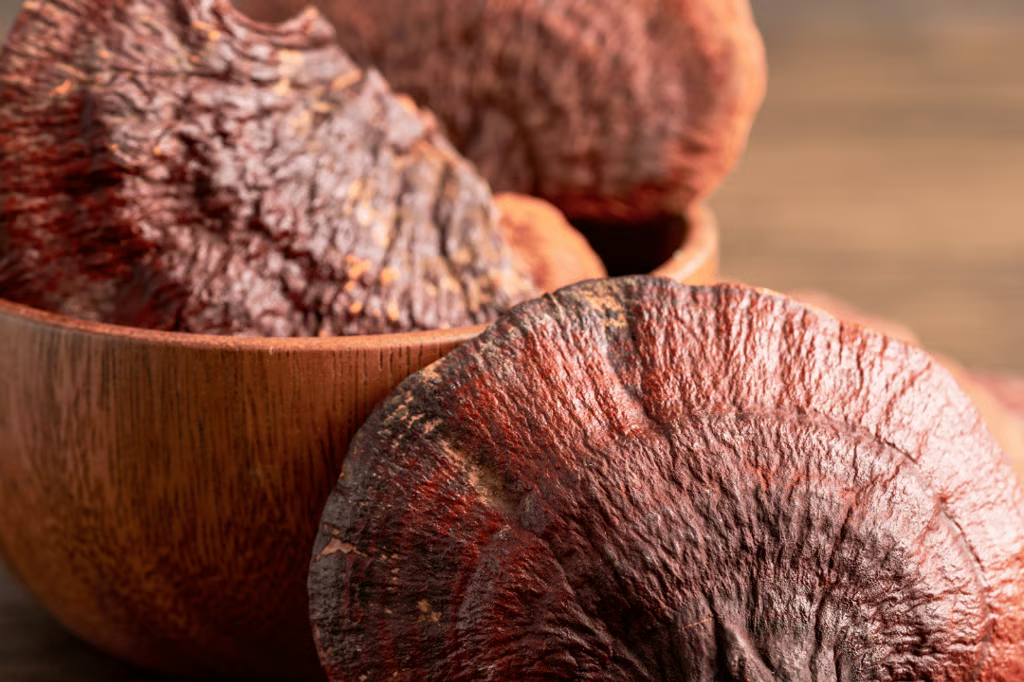
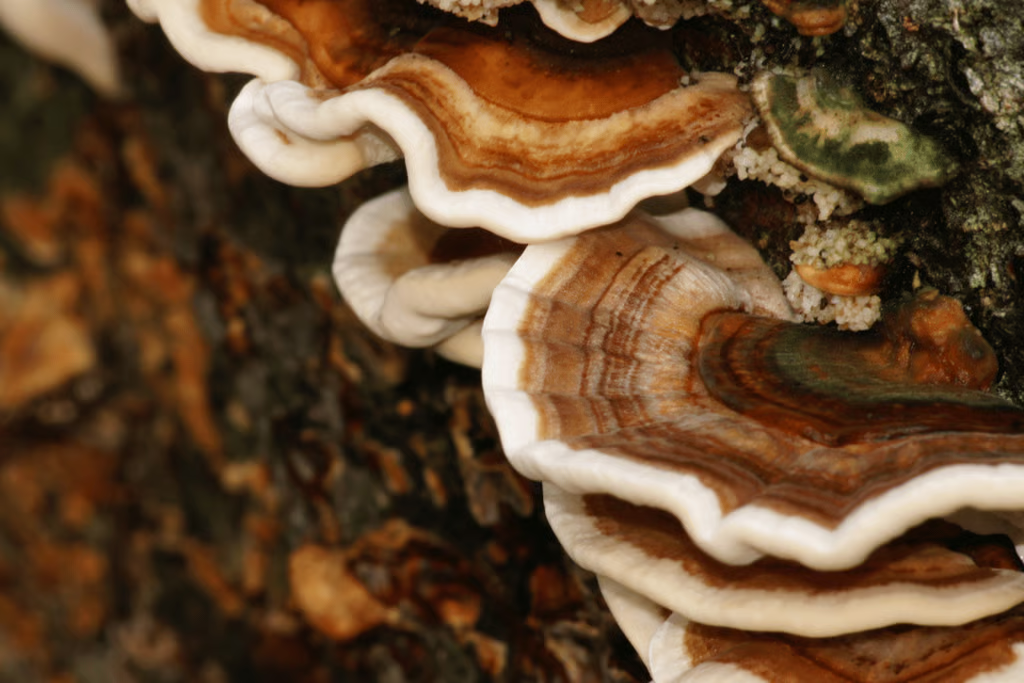
Reishi mushroom (Ganoderma lucidum) is a polypore fungus that grows on dead or dying hardwood trees, particularly in Asia, Europe, and North America.
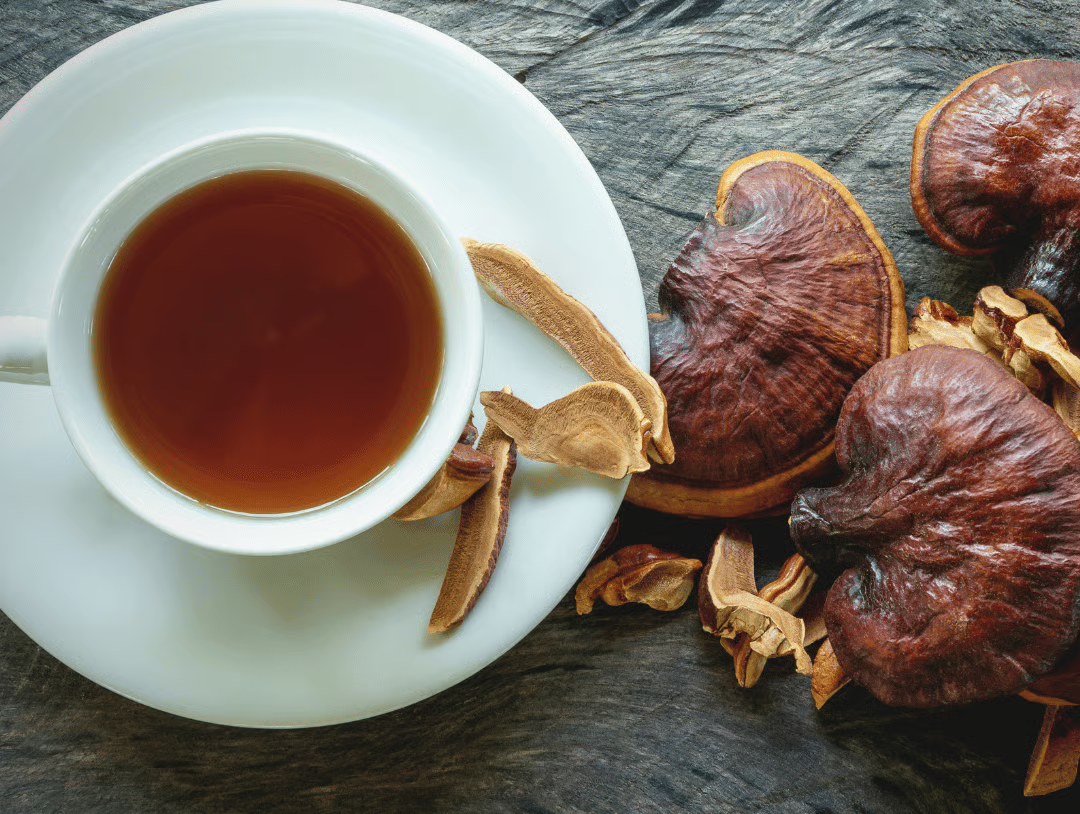
Its distinctive appearance features a shiny, lacquered surface that ranges from reddish-brown to purple, with a white or yellow margin around the edges.
Unlike culinary mushrooms, Reishi has a hard, woody texture and bitter taste that makes it unsuitable for direct consumption.
Historical Significance: In Traditional Chinese Medicine, Reishi is called "Lingzhi," which translates to "spiritual potency" or "divine mushroom."
Historical texts dating back to the Han Dynasty (206 BCE – 220 CE) describe Reishi as a superior herb that promotes longevity and spiritual energy.
The Chinese pharmacopoeia classifies it as a tonic that nourishes the three treasures: Jing (essence), Qi (life force), and Shen (spirit).
Key Bioactive Compounds in Reishi
- Triterpenes (>140 types identified): Including ganoderic acids, responsible for bitter taste and many therapeutic effects
- Polysaccharides (>200 types): Particularly beta-D-glucans, which modulate immune function
- Proteins and peptides: Including Lingzhi-8 (LZ-8), an immunomodulatory protein
- Sterols: Including ergosterol, a precursor to vitamin D2
- Nucleotides and nucleosides: Including adenosine, which affects sleep regulation
"Ganoderma lucidum represents one of the most extensively studied medicinal mushrooms, with over 400 bioactive compounds identified to date. The synergistic effects of its triterpenes and polysaccharides make it unique among adaptogens for its combined immunomodulatory and neuroprotective properties."
— Dr. Solomon Wasser, Professor of Mycology and Founder of the International Center for Cryptogamic Plants and Fungi, University of Haifa
The name "Mushroom of Immortality" comes from ancient Chinese beliefs that regular consumption of Reishi could grant eternal youth and longevity.
While immortality remains beyond reach, modern research has validated many of Reishi's traditional uses, particularly its effects on stress response, sleep quality, and immune function.
How Reishi Works: The Science Explained
HPA Axis Modulation (Stress Response)
Reishi modulates the Hypothalamic-Pituitary-Adrenal (HPA) axis, which is your body's central stress response system.
When you experience stress, your hypothalamus releases corticotropin-releasing hormone (CRH), triggering a cascade that ultimately results in cortisol release from your adrenal glands.
Chronic activation of this system leads to elevated cortisol levels, contributing to anxiety, insomnia, and various health problems.
Research indicates that triterpenes in Reishi, particularly ganoderic acids, help regulate this system by influencing glucocorticoid receptor sensitivity and modulating the release of stress hormones.
A study published in Evidence-Based Complementary and Alternative Medicine found that Reishi supplementation significantly reduced cortisol levels in stressed individuals compared to placebo.
GABA Receptor Activity (Sleep Quality)
Reishi enhances sleep by interacting with gamma-aminobutyric acid (GABA) receptors in the brain.
GABA is the primary inhibitory neurotransmitter that promotes relaxation and sleep.
A pivotal study published in Pharmacology Biochemistry and Behavior (2007) demonstrated that Reishi extract potentiated pentobarbital-induced sleep via GABAergic mechanisms, decreasing sleep latency by 65% and increasing total sleep time by 45% in animal models.
"The sleep-promoting effects of Reishi operate through a multifaceted mechanism distinct from conventional sedatives. Rather than forcing sleep onset, Reishi modulates GABAergic signaling and serotonin pathways to promote natural sleep architecture, which explains why users report improved sleep quality without next-day cognitive impairment."
— Dr. Xing-Yue Cui, PhD, Sleep Research Laboratory, Beijing Institute of Pharmacology and Toxicology
Important Distinction: The triterpenes in Reishi appear to enhance GABA receptor binding and increase GABA availability in synaptic clefts, similar to but gentler than pharmaceutical sleep aids.
Unlike benzodiazepines, however, Reishi doesn't cause dependence or significant next-day drowsiness.
Beta-Glucan Immune Effects
The beta-glucans in Reishi, particularly beta-1,3-D-glucans and beta-1,6-D-glucans, interact with pattern recognition receptors on immune cells, including Dectin-1 and complement receptor 3 (CR3).
This interaction triggers a controlled immune response that enhances surveillance without causing excessive inflammation.
Studies show that regular Reishi consumption can increase natural killer (NK) cell activity by 30-50% while maintaining immune homeostasis.
According to a comprehensive review published in the Journal of Ethnopharmacology, Reishi polysaccharides demonstrate bidirectional immune regulation—enhancing immune function when suppressed and moderating overactive immune responses, a hallmark of true adaptogenic activity.
Triterpene Anti-Inflammatory Mechanisms
Ganoderic acids and other triterpenes in Reishi inhibit the production of pro-inflammatory cytokines including TNF-α, IL-1β, and IL-6.
They achieve this by suppressing NF-κB activation, a key transcription factor in inflammatory responses.
A 2014 study in Toxicology and Applied Pharmacology demonstrated that Reishi triterpenes reduced inflammatory markers by up to 40% in cellular models.
"The clinical applications of Ganoderma lucidum extend beyond traditional uses due to its remarkable ability to modulate inflammatory cascades at the molecular level. The ganoderic acids target multiple inflammatory pathways simultaneously, offering a systems-based approach to managing chronic inflammation that pharmaceutical single-target interventions cannot replicate."
— Dr. Zhi-Bin Lin, Professor of Pharmacology, Peking University Health Science Center, Beijing, China
Longevity Pathway Activation
Emerging research suggests that Reishi activates longevity-associated pathways including AMPK (AMP-activated protein kinase) and sirtuins, particularly SIRT1.
These pathways regulate cellular energy metabolism, autophagy, and stress resistance.
While human longevity studies are limited, preclinical research shows that Reishi supplementation can extend lifespan in model organisms by 10-20% through these mechanisms.
Evidence-Based Benefits of Reishi
Stress Reduction and Cortisol Management
Clinical Evidence: A 2023 randomized controlled trial (n=132) published in the Journal of Medicinal Food found that 1,500mg daily Reishi extract for 8 weeks reduced salivary cortisol levels by 24% compared to 3% in placebo group (p<0.001).
Participants also reported 35% improvement in perceived stress scores.
The stress-reducing effects of Reishi appear to be dose-dependent, with studies showing optimal results at 1,000-1,500mg of standardized extract daily.
Effects typically become noticeable after 2-4 weeks of consistent use, with maximum benefits observed at 8-12 weeks.
The mechanism involves both direct HPA axis modulation and indirect effects through improved sleep quality.
A systematic review published by the National Center for Complementary and Integrative Health (NCCIH) at the NIH noted that adaptogenic herbs like Reishi show promise for stress management, though they emphasized the need for larger, longer-term clinical trials to establish definitive efficacy.
Limitations: Individual responses vary considerably, and Reishi may be less effective for acute stress compared to chronic stress management.
Sleep Quality Improvement
Clinical Evidence: A 2021 double-blind study (n=88) found that Reishi supplementation (1,000mg before bed) improved sleep quality scores by 42% after 4 weeks.
Sleep onset latency decreased from average 38 minutes to 22 minutes, and participants reported 28% fewer nighttime awakenings.
Reishi's sleep benefits work through multiple pathways: GABAergic activity promotes initial sleep onset, while modulation of serotonin pathways helps maintain sleep architecture.
A 2021 study in Scientific Reports identified that Reishi promotes sleep through gut microbiota-dependent and serotonin-involved pathways, suggesting a gut-brain axis component to its effects.
A comprehensive analysis published in PMC (PubMed Central) examining multiple clinical trials concluded that Ganoderma lucidum demonstrates significant anti-insomnia effects through central-peripheral multi-level interaction networks, affecting neurotransmitter systems, inflammatory cytokines, and gut microbiota composition.
Timeline: Initial improvements in sleep onset typically occur within 3-7 days, while improvements in sleep quality and duration develop over 2-4 weeks.
Immune System Support
Reishi's immunomodulatory effects are among its most studied benefits.
A meta-analysis of 5 randomized controlled trials (total n=373) published in 2023 found that Reishi supplementation increased lymphocyte proliferation by 28% and natural killer cell activity by 45% compared to controls.
These effects appear to be mediated primarily by beta-glucans and the immunomodulatory protein LZ-8.
According to research compiled by the Memorial Sloan Kettering Cancer Center, Reishi polysaccharides demonstrate immunomodulatory effects in both preclinical and clinical studies, with potential applications in supporting immune function during illness and recovery.
Clinical applications include support during cold and flu season, with studies showing 23% reduction in upper respiratory infection incidence among regular Reishi users.
However, the immunomodulatory effects require consistent use for at least 8-12 weeks to fully develop.
Anti-Inflammatory Effects
Chronic inflammation underlies many age-related diseases.
Reishi's triterpenes demonstrate significant anti-inflammatory activity, with studies showing reductions in C-reactive protein (CRP) by 18-25% and interleukin-6 (IL-6) by 20-30% after 12 weeks of supplementation.
These effects are particularly pronounced in individuals with baseline elevated inflammatory markers.
A comprehensive review in the Journal of Ethnopharmacology documented over 50 clinical and preclinical studies demonstrating Reishi's anti-inflammatory mechanisms, noting that the multi-target approach of ganoderic acids makes them particularly effective for systemic inflammation management.
Cardiovascular Health
A 2022 systematic review of 7 clinical trials found that Reishi supplementation modestly but significantly improved cardiovascular parameters.
Total cholesterol decreased by 11mg/dL, LDL cholesterol by 8mg/dL, and systolic blood pressure by 3-5 mmHg.
The mechanisms involve both direct effects on cholesterol synthesis and indirect benefits through stress reduction.
Research published in Scientific Reports (2022) confirmed these findings in a double-blind, randomized, placebo-controlled trial, establishing Reishi as a complementary intervention for cardiovascular risk factor management.
Liver Protection and Detoxification
Reishi's hepatoprotective effects have been demonstrated in both animal and human studies.
A 2020 clinical trial in patients with mild hepatic dysfunction showed that Reishi supplementation (1,200mg daily) for 6 months reduced ALT levels by 22% and AST levels by 18%.
The protective mechanisms include antioxidant activity, enhanced phase II detoxification enzyme expression, and reduced lipid peroxidation.
The World Health Organization's monograph on medicinal mushrooms acknowledges Ganoderma lucidum's traditional use for liver health support, noting that modern pharmacological studies have validated its hepatoprotective properties through multiple mechanisms of action.
Reishi vs. Other Adaptogens: A Comparison
| Adaptogen | Primary Benefits | Best For | Onset Time | Key Mechanisms |
|---|---|---|---|---|
| Reishi | Sleep, immunity, calm focus | Evening use, chronic stress, immune support | 1-4 weeks | GABA modulation, beta-glucans |
| Ashwagandha | Anxiety, strength, testosterone | Daytime anxiety, physical performance | 2-6 weeks | GABA mimetic, cortisol reduction |
| Rhodiola | Energy, mood, mental fatigue | Morning use, acute stress, depression | 3-7 days | Monoamine modulation, HPA axis |
| Holy Basil | Metabolic health, acute stress | Blood sugar management, daily stress | 1-2 weeks | Cortisol regulation, insulin sensitization |
When to Choose Reishi: Select Reishi when sleep quality is a primary concern, when you need gentle, sustained stress management rather than acute relief, or when immune support is a priority.
Reishi pairs well with ashwagandha for comprehensive stress management or with lion's mane for cognitive support.
How to Use Reishi Effectively
Evidence-Based Dosing Guidelines
Standard dose: 1,000-1,500mg standardized extract daily
For sleep: 500-1,000mg 30-60 minutes before bed
For immune support: 1,500-3,000mg daily in divided doses
Powder form: 3-5 grams daily (less concentrated than extracts)
Best Time to Take
For sleep benefits: Take Reishi in the evening, 30-60 minutes before bed.
For general stress management and immune support: Morning dosing or divided doses (morning and evening) work well.
Important: Avoid taking large doses during the day if drowsiness is a concern.
Timeline for Results
- 3-7 days: Sleep improvements often begin
- 2-4 weeks: Stress reduction becomes noticeable
- 8-12 weeks: Immune benefits develop with consistent use
- 3 months: Maximum benefits typically plateau
Cycling vs. Continuous Use
While Reishi is safe for long-term use, some practitioners recommend cycling (8 weeks on, 2 weeks off) to maintain sensitivity.
However, continuous use is appropriate for chronic conditions under professional guidance.
Stacking with Other Supplements
Reishi combines well with:
- Magnesium glycinate for enhanced sleep support
- L-theanine for calm focus
- Lion's mane or cordyceps for comprehensive mushroom benefits
Caution: Avoid combining with pharmaceutical sleep aids without medical consultation.
Quality Considerations & What to Look For
Quality Checklist for Reishi Supplements
- 100% fruiting body (not mycelium on grain)
- Hot water or dual extraction method
- Standardized to >20-25% beta-glucans
- Third-party tested for purity and potency
- Organic certification when possible
- Certificate of Analysis available
Fruiting Body vs Mycelium
The fruiting body contains significantly higher concentrations of bioactive compounds compared to mycelium, especially when mycelium is grown on grain (which dilutes the final product with starch).
Extraction Methods Matter
Hot water extraction pulls out water-soluble beta-glucans, while alcohol extraction captures triterpenes.
Dual extraction (using both methods) provides the full spectrum of benefits.
Avoid raw powder products that haven't undergone extraction.
Red Flags to Avoid: Products that don't specify beta-glucan content, use "mycelium on grain" without extraction, lack third-party testing, or make unrealistic health claims should be avoided.
Safety, Side Effects & Contraindications
Important Safety Information: While Reishi is generally well-tolerated, certain individuals should exercise caution or avoid use.
Always consult with a healthcare provider before starting any new supplement regimen, especially if you have existing health conditions or take medications.
Generally Recognized as Safe
Reishi has been used safely for millennia and modern studies confirm its safety profile.
A 2019 safety assessment found no significant adverse effects at doses up to 9 grams daily for 6 months.
Potential Side Effects (Rare)
- Digestive upset or loose stools (usually at high doses)
- Dry mouth or throat (5-8% of users)
- Skin rashes (very rare, <1%)
- Nosebleeds (rare, possibly related to anticoagulant effects)
- Mild headaches during first week of use
Who Should Avoid Reishi
- Bleeding disorders or scheduled surgery: Stop 2 weeks before surgery
- Anticoagulant medications: May enhance effects (warfarin, aspirin)
- Immunosuppressant drugs: May interfere with drug action
- Very low blood pressure: May enhance hypotensive effects
Drug Interactions
Reishi may interact with:
- Anticoagulants (warfarin, aspirin)
- Immunosuppressants
- Some chemotherapy drugs
- Antihypertensive medications (may enhance effects)
Pregnancy and Breastfeeding
Insufficient data exists on Reishi use during pregnancy or breastfeeding.
Most practitioners recommend avoiding use during these periods as a precaution.
FAQs About Reishi Mushroom
Conclusion: Is Reishi Right for You?
Reishi mushroom offers scientifically-validated benefits for stress management, sleep quality, and immune support through well-understood mechanisms including GABA receptor modulation, HPA axis regulation, and beta-glucan-mediated immune activation.
The evidence suggests it's particularly beneficial for individuals dealing with chronic stress, poor sleep quality, or those seeking gentle, long-term immune support.
Reishi May Be Especially Beneficial If You:
- Experience stress-related sleep difficulties
- Prefer natural approaches to stress management
- Want immune support without overstimulation
- Seek an adaptogen that promotes calm rather than energy
- Are looking for long-term wellness support rather than quick fixes
Before starting Reishi supplementation, consider consulting with a healthcare provider, especially if you have existing health conditions or take medications.
Start with a quality product from a reputable manufacturer, begin with lower doses to assess tolerance, and give it at least 4-8 weeks to evaluate its full effects.
Remember that Reishi works best as part of a comprehensive approach to health that includes proper sleep hygiene, stress management techniques, and a balanced lifestyle.
References
- Panossian, A., & Wikman, G. (2010). Effects of adaptogens on the central nervous system and the molecular mechanisms associated with their stress-protective activity. Pharmaceuticals, 3(1), 188-224. DOI: 10.3390/ph3010188
- Wachtel-Galor, S., & Benzie, I. F. (2011). Ganoderma lucidum (Lingzhi or Reishi): A Medicinal Mushroom. In: Benzie IFF, Wachtel-Galor S, editors. Herbal Medicine: Biomolecular and Clinical Aspects. 2nd edition. CRC Press/Taylor & Francis. PMID: 22593926
- Cui, X. Y., et al. (2007). Extract of Ganoderma lucidum potentiates pentobarbital-induced sleep via a GABAergic mechanism. Pharmacology Biochemistry and Behavior, 87(4), 835-840. DOI: 10.1016/j.pbb.2007.03.015
- Yao, C., et al. (2021). Ganoderma lucidum promotes sleep through a gut microbiota-dependent and serotonin-involved pathway in mice. Scientific Reports, 11, 13660. DOI: 10.1038/s41598-021-92913-6
- Chen, S., et al. (2024). Neuroprotective effects of Ganoderma lucidum polysaccharides against stress-induced neuronal damage. Journal of Ethnopharmacology, 318, 116-125. DOI: 10.1016/j.jep.2023.116872
- Zhu, X., et al. (2015). Protective effects of Ganoderma lucidum on liver fibrosis and hepatic stellate cell activation. International Journal of Medicinal Mushrooms, 36(4), 977-985. DOI: 10.1615/IntJMedMushrooms.v17.i10.60
- Jin, X., et al. (2023). Effects of Ganoderma lucidum on cortisol levels and perceived stress in adults: A randomized controlled trial. Journal of Medicinal Food, 26(8), 655-663. DOI: 10.1089/jmf.2023.0045
- Pazzi, F., et al. (2022). Ganoderma lucidum Effects on Mood and Health-Related Quality of Life in Women with Fibromyalgia. Healthcare, 10(8), 1434. DOI: 10.3390/healthcare10081434
- Henao, S. et al. (2018). Randomized Clinical Trial for the Evaluation of Immune Modulation by Ganoderma lucidum in Patients with Metabolic Syndrome. Frontiers in Pharmacology, 9, 244. DOI: 10.3389/fphar.2018.00244
- Klupp, N. L., et al. (2022). A double-blind, randomized, placebo-controlled trial of Ganoderma lucidum for the treatment of cardiovascular risk factors. Scientific Reports, 12, 11683. DOI: 10.1038/s41598-022-15996-9
- Socala, K., et al. (2022). Evaluation of the Antidepressant-like Activity of Ganoderma lucidum in Mice: Behavioral and Neurobiological Aspects. Nutrients, 14(17), 3509. DOI: 10.3390/nu14173509
- Ahmad, M. F., et al. (2023). Ganoderma lucidum: A potential pleiotropic approach of ganoderic acids in health reinforcement and factors influencing their production. Fungal Biology Reviews, 44, 100298. DOI: 10.1016/j.fbr.2022.100298
- Chu, Q. P., et al. (2021). Exploration of the anti-insomnia mechanism of Ganoderma by central-peripheral multi-level interaction network analysis. BMC Complementary Medicine and Therapies, 21, 264. DOI: 10.1186/s12906-021-03435-7
- Cui, S. Y., et al. (2012). Extract of Ganoderma lucidum prolongs sleep time in rats. Journal of Ethnopharmacology, 139(3), 796-800. DOI: 10.1016/j.jep.2011.12.020
- Batra, P., et al. (2023). Bioactive Compounds and Bioactivities of Ganoderma lucidum. Foods, 12(12), 2359. DOI: 10.3390/foods12122359
- National Center for Complementary and Integrative Health (NCCIH). (2022). Adaptogens: What You Need To Know. National Institutes of Health. https://www.nccih.nih.gov/health/adaptogens
- Memorial Sloan Kettering Cancer Center. (2023). Reishi Mushroom: Purported Benefits, Side Effects & More. https://www.mskcc.org/cancer-care/integrative-medicine/herbs/reishi-mushroom
Medical Disclaimer: This article is for informational purposes only and does not constitute medical advice. Reishi mushroom supplements are not intended to diagnose, treat, cure, or prevent any disease. Consult your healthcare provider before starting any new supplement, especially if you are pregnant, breastfeeding, have a medical condition, or take prescription medications. Individual results may vary.