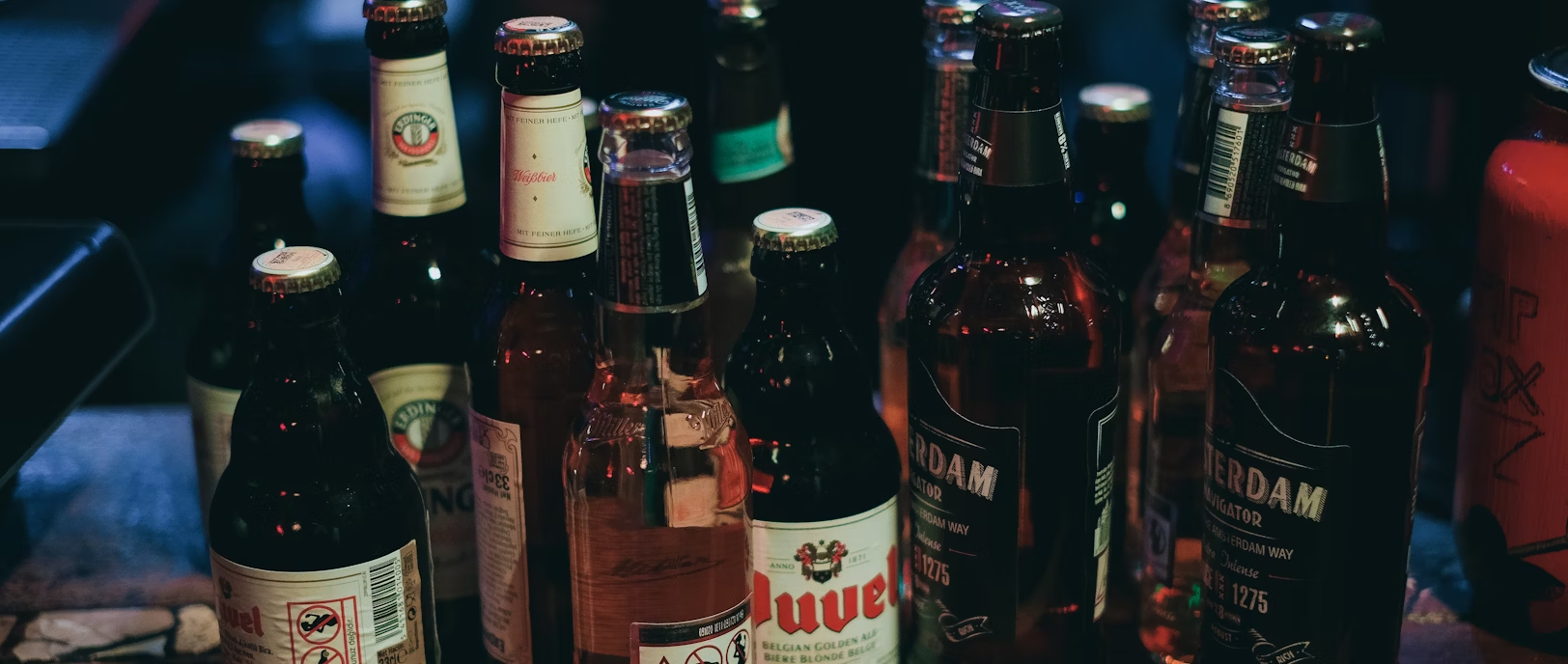
⚠️ Alcohol Overdose and Brain Function
Excessive drinking may depress the brain areas that control life-sustaining functions such as breathing, heart rate, and temperature regulation. This can cause:
Loss of consciousness
Coma
Permanent brain damage
Death[10][2]

Can the Brain Heal After Alcohol Damage?
There is hope: research shows that if a person stops drinking—especially before age 50—some brain damage may reverse, with improvements in brain volume and cognitive function over time.
Treatment and abstinence greatly help recovery.[1]
Risks Even from Moderate Drinking
Emerging research indicates that even moderate drinking (one drink per day) can:
Increase iron buildup in the brain, which harms memory and cognitive reasoning.
Raise the risk of early-stage dementia markers like slower reaction times and problem-solving difficulties.[4]
Thus, no amount of alcohol is completely risk-free for brain health.
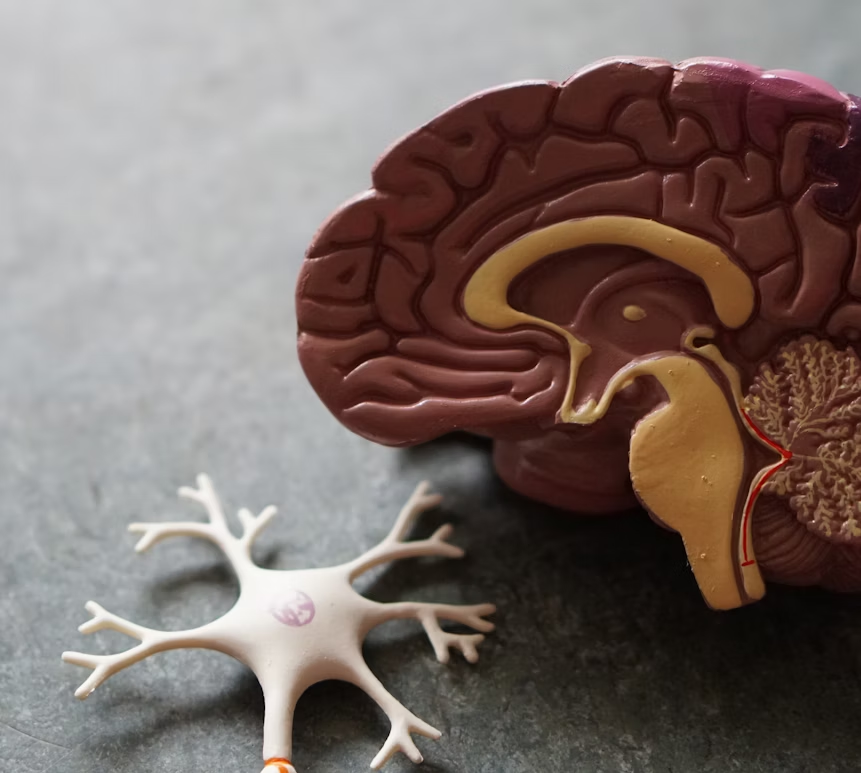
Summary Table: Alcohol's Effects on Key Brain Areas
| Brain Area | Function Affected | Alcohol Impact | Long-Term Damage Potential |
|---|---|---|---|
| Cerebral Cortex | Judgment, decision-making | Slows processing, lowers inhibitions | Shrinkage, cognitive decline |
| Cerebellum | Balance, coordination | Impaired movement | Loss of coordination, falls |
| Hippocampus | Memory formation | Blocks memory encoding | Permanent memory loss, blackouts |
| Hypothalamus & Pituitary | Hormonal balance | Disrupts sexual function | Hormonal imbalance |
| Medulla | Breathing, heart rate | Slows vital functions | Risk of coma or death (overdose) |