2. It Fights the Modern Epidemic: Chronic Inflammation
Poor sleep, stress, processed foods, pollution, EMFs… all these factors contribute to low-grade, persistent inflammation in the body.
You may not feel it, but it’s quietly aging you from the inside out.
Red light therapy has been shown to penetrate deep into tissues, triggering anti-inflammatory pathways and calming the immune system.
This makes it a powerful tool for:
- Reducing joint and muscle pain
- Calming skin conditions like eczema and acne
- Improving autoimmune symptoms
- Speeding up tissue healing
This isn’t about masking symptoms.
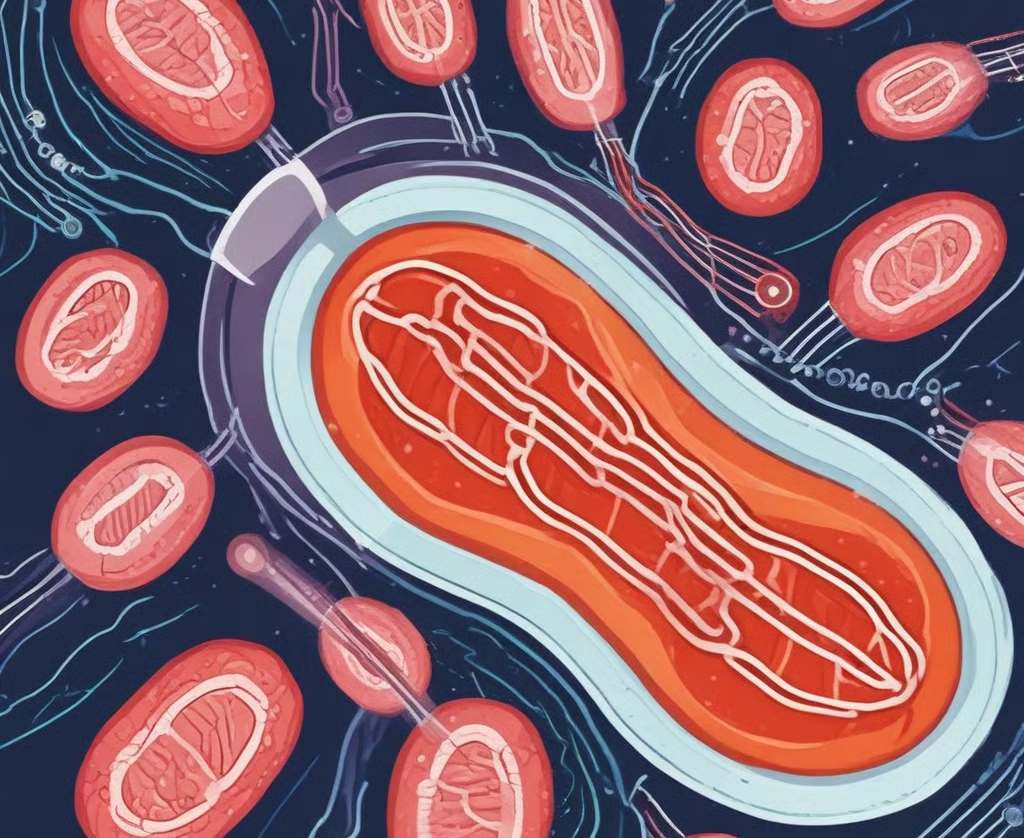
Red light addresses inflammation at the cellular level, where it starts.
3. Aging Starts When Light Leaves the Body
There’s a reason we look and feel younger when we’ve spent time outdoors — light nourishes us.
Red light stimulates the production of collagen and elastin, which are critical for skin elasticity and firmness. It also reduces oxidative stress — one of the root causes of aging — by neutralizing free radicals.
In short: Red light therapy helps slow the visible signs of aging while promoting internal rejuvenation.
✅ Fewer wrinkles
✅ Firmer, more hydrated skin
✅ Brighter complexion
✅ Stronger hair follicles
✅ Better joint health
It’s like turning back the clock, naturally — without needles, fillers, or downtime.
4. It Restores What the Sun Used to Give Us
Our ancestors soaked in full-spectrum sunlight every single day.
Today, most of us spend 90% of our lives indoors, missing the healing wavelengths of red and near-infrared light that used to reach us through natural sunlight. And even when we do go outside, we’re often covered in clothes or slathered in sunscreen.
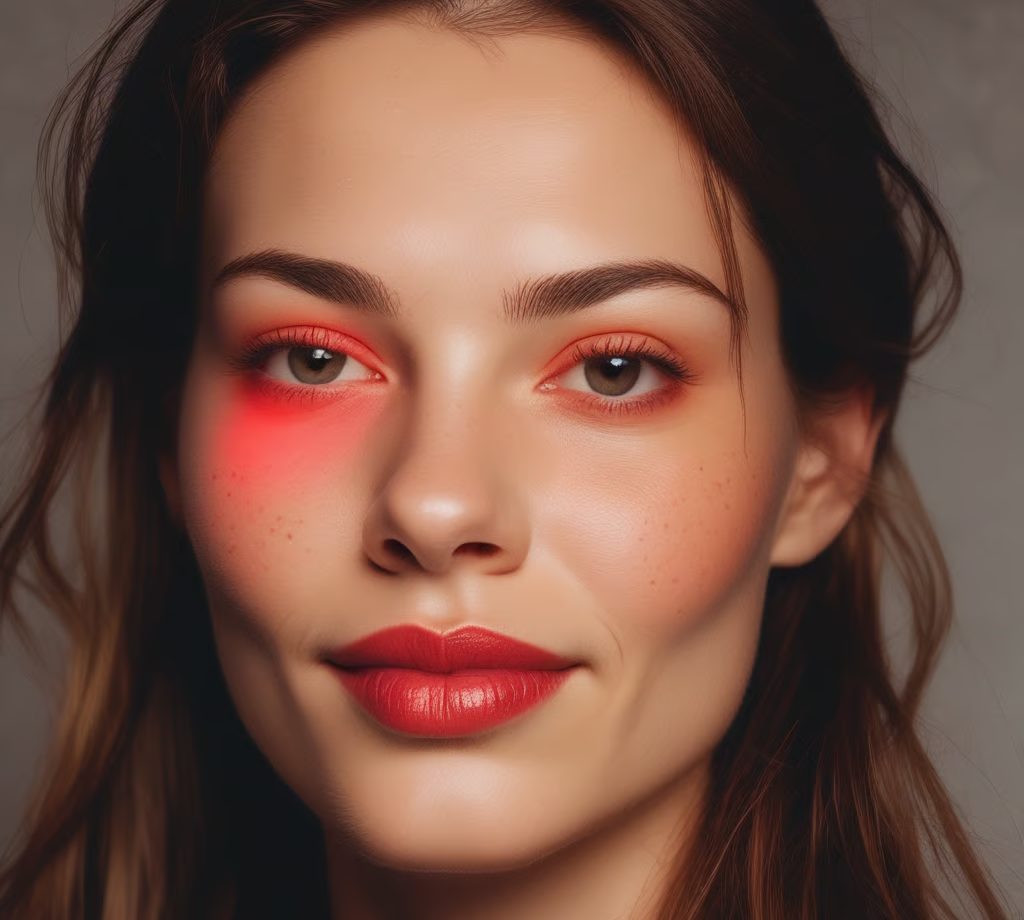
Red light therapy fills that gap — delivering targeted wavelengths without UV rays or heat, so you get the benefits without the burn or skin damage.
This is your daily dose of sunlight — even at night, even in winter, even in a city apartment.

5. Hormone Support, Brain Clarity, and Deep Sleep? Yes.
Hormones are messengers. When they’re out of sync, everything suffers — energy, mood, libido, sleep, weight, and even mental clarity.
Red light therapy has been shown to support hormone balance by:
- Regulating cortisol (your stress hormone)
- Boosting testosterone naturally in men
- Enhancing melatonin production at night for deeper, more restorative sleep
- Supporting thyroid function — critical for metabolism and energy
And because red light helps reduce inflammation and oxidative stress in the brain, many users report sharper thinking, improved mood, and reduced symptoms of anxiety or depression.
It’s not just about looking better. It’s about feeling better in every way.

Conclusion:
This isn’t biohacking. It’s biological rebalancing.
Red light therapy is no longer a niche trend or a luxury reserved for high-end spas and clinics.
It’s a necessity for modern living — a way to reclaim the energy, balance, and resilience your body was designed for.
📅 Just 10–15 minutes a day
🏠 Right from home
✅ No side effects
💡 Backed by thousands of studies
The longer you wait, the longer your cells stay stuck in survival mode.
Ready to return to light?
Start with a high-quality, at-home device like the BonCharge Red Light Therapy Panel — trusted by wellness experts, athletes, curated and personally tried by our team at Primegevity Life, looking to feel younger, sleep deeper, and live longer.
Your body will thank you.
Subscribe or follow us on social media @Primegevity_Life for more biohacking and science-backed tips on healthy living and longevity tips!
🔍 References
Hamblin, M. R. (2017). Mechanisms and applications of the anti-inflammatory effects of photobiomodulation. AIMS Biophysics, 4(3), 337–361. https://www.ncbi.nlm.nih.gov/pmc/articles/PMC5523874/
Barolet, D., & Boucher, A. (2010). Prophylactic low-level light therapy for the treatment of hypertrophic scars and keloids: A case series. Lasers in Surgery and Medicine. https://pubmed.ncbi.nlm.nih.gov/20662031/
Tulloch, I., et al. (2015). Effects of Photobiomodulation (PBM) on Cognitive Function in Humans: A Systematic Review. Photomedicine and Laser Surgery. https://pubmed.ncbi.nlm.nih.gov/26205383/
Bjordal, J. M., et al. (2006). A systematic review with meta-analysis of low level laser therapy (LLLT) in lateral elbow tendinopathy (tennis elbow). BMC Musculoskeletal Disorders, 7, 55. https://bmcmskdisord.biomedcentral.com/articles/10.1186/1471-2474-7-55
Zhao, R., et al. (2012). The effect of low-level laser therapy on sleep quality and melatonin levels in sleep disorders. Neuropsychiatric Disease and Treatment. https://www.ncbi.nlm.nih.gov/pmc/articles/PMC3506763/