
How Alcohol Impacts the Brain: An Authoritative Beginner’s Guide

This guide explains how alcohol affects the brain over time, based on authoritative U.S. sources like the CDC, NIH, and NIAAA. It is designed for beginners, providing a clear, factual, and comprehensive overview of alcohol’s effects on brain structure, function, and mental health, plus frequently asked questions.

Understanding Alcohol and the Brain

Alcohol interferes with communication pathways in the central nervous system, which includes the brain and spinal cord.

The brain controls essential functions such as emotions, memory, judgment, movement, and body regulation.

When alcohol enters the bloodstream, it slows down signals between nerve cells, affecting how we think, feel, and act.[1][2][3]

Immediate Brain Effects

Even a few drinks can impair:

  • Motor coordination (leading to clumsiness or unsteady movements)
  • Judgment and decision-making (leading to lowered inhibitions and risk-taking)
  • Memory formation (causing blackouts where events are not remembered later)

These effects come from alcohol’s impact on the cerebral cortex (thinking and judgment) and cerebellum (coordination and balance).[2][1]

Long-Term Brain Changes from Alcohol Use

Chronic and excessive drinking can cause serious, lasting brain damage:

Brain shrinkage: Heavy alcohol use reduces volumes of gray and white matter, especially in areas related to impulse control and problem-solving. This shrinkage is linked to cognitive decline.[1]

Memory impairment: The hippocampus, critical for memory formation, is damaged by alcohol, creating problems with learning, blackouts, and sometimes permanent memory loss.[2][1]

Mood disorders: Alcohol disrupts neurotransmitters, increasing risks of depression and anxiety.[3][1]

Wernicke-Korsakoff syndrome: A severe brain disorder caused by thiamine (Vitamin B1) deficiency, common in chronic alcohol users, resulting in confusion, coordination problems, and memory issues.[1]

Risk of dementia: Long-term alcohol misuse is a significant risk factor for alcohol-related dementia due to neural damage.[1]

Special Considerations: Adolescents and Pregnancies

  • Adolescents: The developing brain is particularly vulnerable. Early drinking can interrupt normal brain maturation and increase the chance of lifelong cognitive and behavioral problems.[6][2]

  • Pregnancy: Alcohol exposure during pregnancy causes fetal alcohol spectrum disorders, characterized by developmental delays and behavioral issues that last a lifetime.[1]

Want to Slow Down Aging & Boost Vitality Naturally?

FREE Download: 100+ Biohacking Habits Backed by Science (PDF) for immediate download!

🔒 100% Privacy. No spam. Unsubscribe anytime.

⚠️ Alcohol Overdose and Brain Function

Excessive drinking may depress the brain areas that control life-sustaining functions such as breathing, heart rate, and temperature regulation. This can cause:

  • Loss of consciousness

  • Coma

  • Permanent brain damage

  • Death[10][2]

Can the Brain Heal After Alcohol Damage?

There is hope: research shows that if a person stops drinking—especially before age 50—some brain damage may reverse, with improvements in brain volume and cognitive function over time.

Treatment and abstinence greatly help recovery.[1]

Risks Even from Moderate Drinking

Emerging research indicates that even moderate drinking (one drink per day) can:

  • Increase iron buildup in the brain, which harms memory and cognitive reasoning.

  • Raise the risk of early-stage dementia markers like slower reaction times and problem-solving difficulties.[4]

Thus, no amount of alcohol is completely risk-free for brain health.
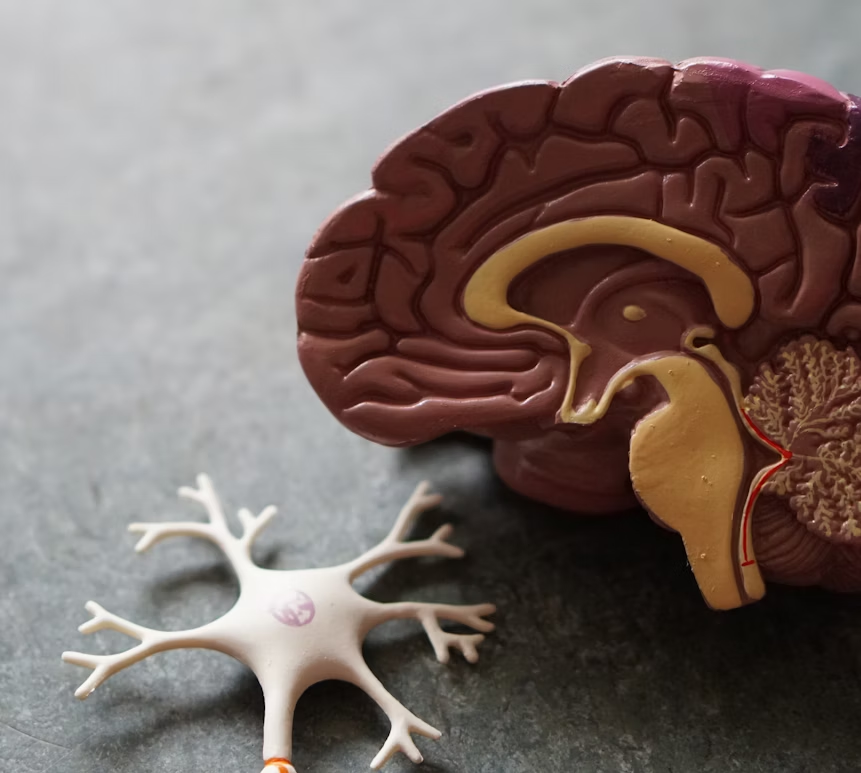
Summary Table: Alcohol's Effects on Key Brain Areas

Brain Area Function Affected Alcohol Impact Long-Term Damage Potential
Cerebral Cortex Judgment, decision-making Slows processing, lowers inhibitions Shrinkage, cognitive decline
Cerebellum Balance, coordination Impaired movement Loss of coordination, falls
Hippocampus Memory formation Blocks memory encoding Permanent memory loss, blackouts
Hypothalamus & Pituitary Hormonal balance Disrupts sexual function Hormonal imbalance
Medulla Breathing, heart rate Slows vital functions Risk of coma or death (overdose)
Cerebral Cortex
Function Affected: Judgment, decision-making
Alcohol Impact: Slows processing, lowers inhibitions
Long-Term Damage Potential: Shrinkage, cognitive decline
Cerebellum
Function Affected: Balance, coordination
Alcohol Impact: Impaired movement
Long-Term Damage Potential: Loss of coordination, falls
Hippocampus
Function Affected: Memory formation
Alcohol Impact: Blocks memory encoding
Long-Term Damage Potential: Permanent memory loss, blackouts
Hypothalamus & Pituitary
Function Affected: Hormonal balance
Alcohol Impact: Disrupts sexual function
Long-Term Damage Potential: Hormonal imbalance
Medulla
Function Affected: Breathing, heart rate
Alcohol Impact: Slows vital functions
Long-Term Damage Potential: Risk of coma or death (overdose)

Frequently Asked Questions (FAQs)

1. Can alcohol kill brain cells?
Alcohol damages the brain's white matter and causes shrinkage, but it does not kill brain cells directly. Instead, it disrupts brain communication pathways leading to impaired function and cognition.[1]
2. How long does it take for alcohol to leave the brain?
The liver processes roughly one standard drink per hour. However, brain effects like impaired memory and coordination can last much longer, especially with heavy or chronic drinking.[1]
3. Can brain damage from drinking be reversed?
Yes, especially if drinking stops early. Brain volume and function can improve with sobriety and treatment, although severe damage from chronic drinking may be permanent.[1]
4. Is binge drinking worse for the brain than regular moderate drinking?
Yes, binge drinking causes rapid intoxication that damages brain cells and increases risk for blackouts and cognitive impairment more than moderate steady drinking.[1]
5. Does drinking affect mental health?
Alcohol increases risks for depression and anxiety by disrupting neurotransmitter balance in the brain.[3][1]